What Is Masking and How Does It Affect Mental Health?
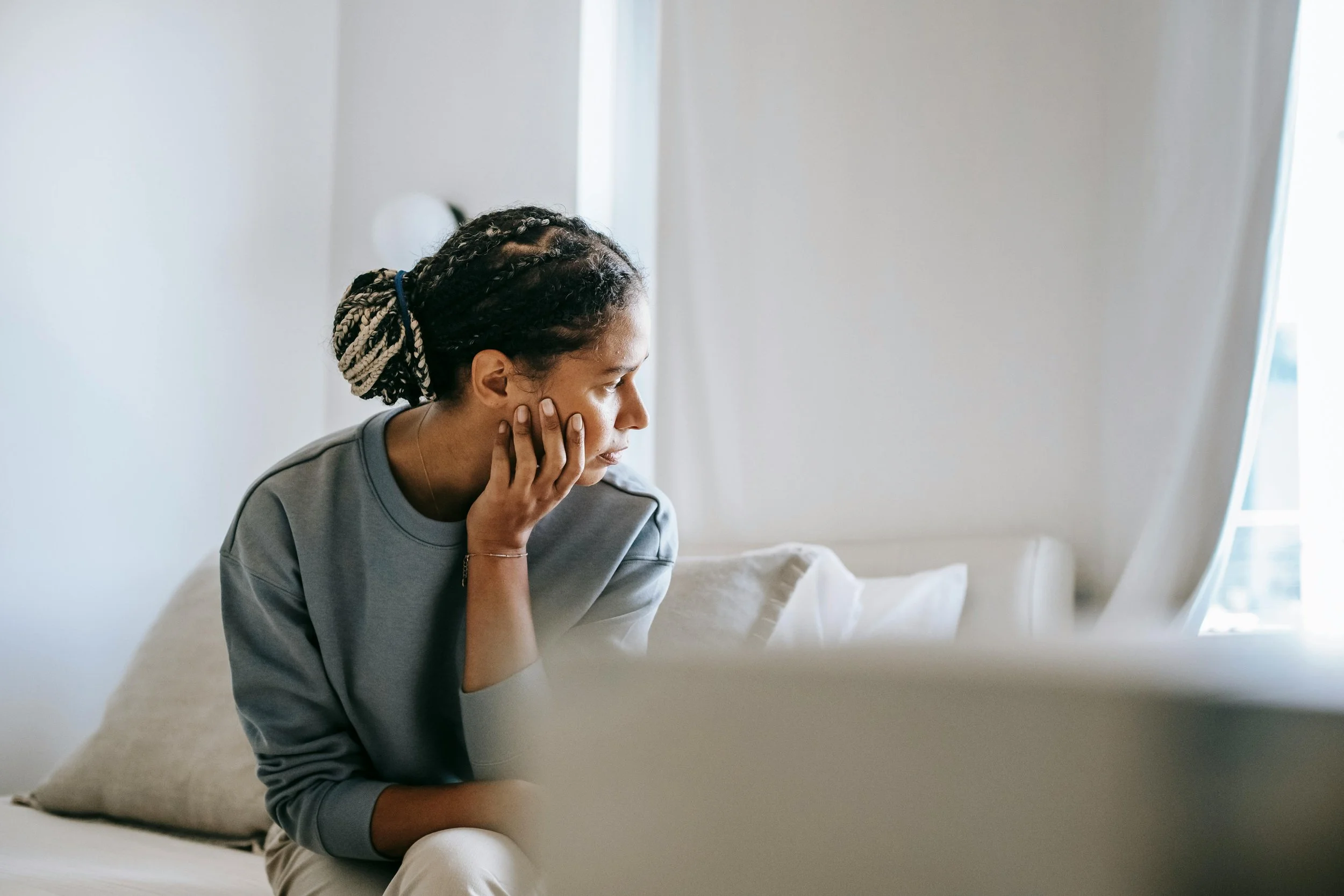
If you've ever felt exhausted after social interactions, spent hours rehearsing conversations in your head, or found yourself acting like a completely different person depending on who you're around — you may be familiar with masking, even if you didn't have a name for it.
What is masking?
Masking is the conscious or unconscious process of suppressing or hiding neurodivergent traits in order to fit into neurotypical social expectations. It can look like forcing eye contact, mimicking others' body language, scripting conversations in advance, suppressing stimming behaviors, or pushing through sensory overwhelm without showing distress.
Who masks?
Masking is most commonly associated with autistic individuals, but it is also prevalent in people with ADHD and AuDHD. It tends to be more common in women, girls, and non-binary individuals, which is one reason why autism and ADHD are so frequently missed or misdiagnosed in these populations.
How does masking affect mental health?
The energy required to mask constantly is enormous. Over time it leads to autistic burnout, chronic anxiety, depression, loss of identity, and a profound sense of loneliness — feeling like nobody truly knows you. Many people who mask describe feeling like a performer in their own life.
What does unmasking look like?
Unmasking isn't about becoming a completely different person — it's about slowly and safely reconnecting with who you actually are. It looks different for everyone. For some it means allowing themselves to stim without shame. For others it means setting boundaries that honor their sensory needs, communicating in ways that feel natural rather than performative, or simply admitting that certain environments are genuinely hard rather than pretending everything is fine. Unmasking is not a destination — it's a practice. And it works best in the context of a therapeutic relationship where you feel genuinely safe to be yourself.
You don't have to perform here.
Healing from a lifetime of masking starts with being truly seen. At Brightmane, you're not explaining yourself to someone who has to imagine what this feels like — our clinicians live it too. This is your space to finally exhale.